Fresh debate has emerged over the independence of Kenya’s judiciary following claims that political behaviour within the Judicial Service Commission could weaken public trust in the justice system.
Policy and governance expert Alfred Omenya has warned that beyond legal fairness, public perception now poses a serious risk to institutions meant to protect justice. He said political signals coming from senior figures linked to the commission are raising concern at a time when neutrality is critical.
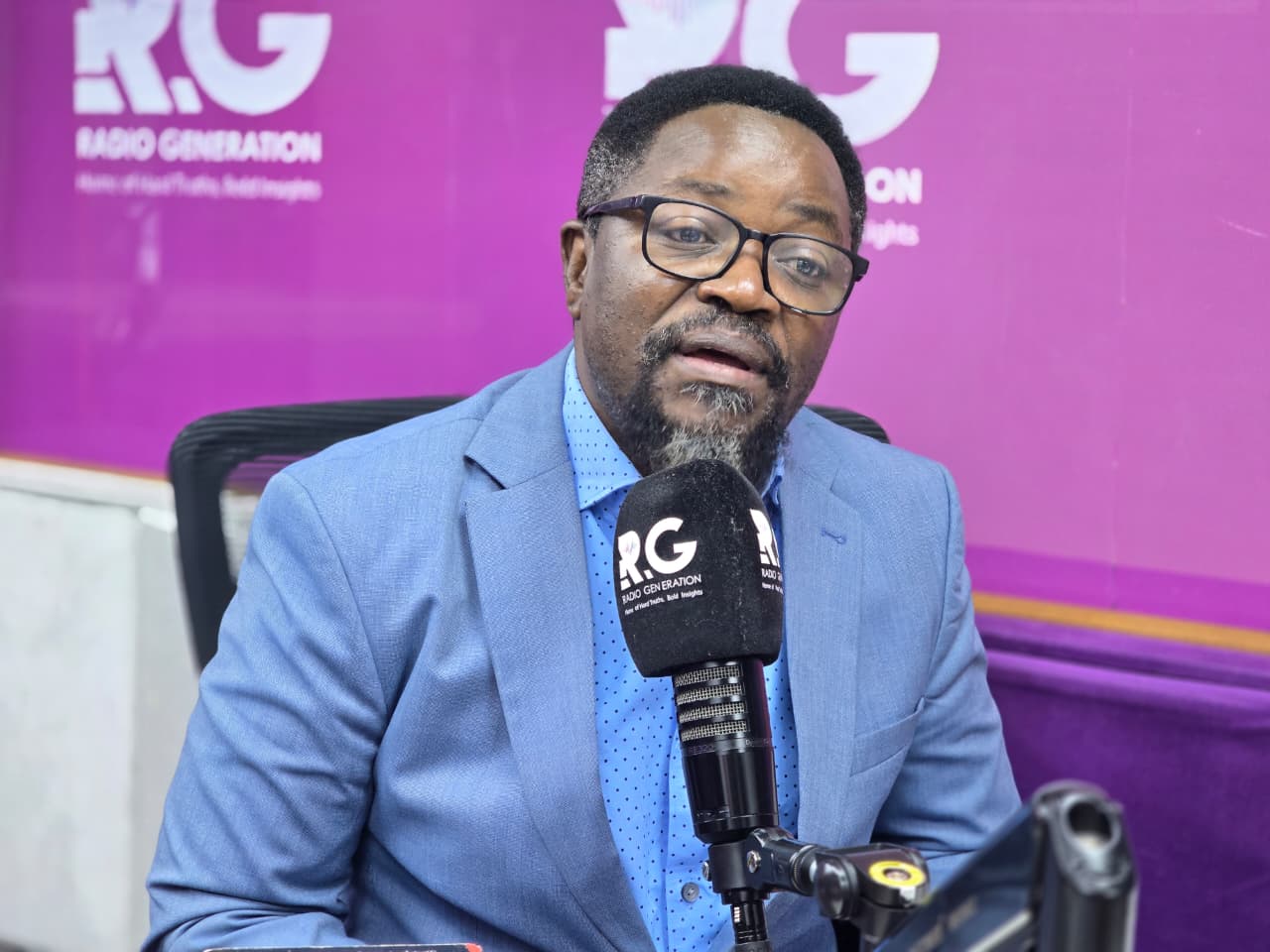
Omenya was speaking on Thursday during an interview on Radio Generation, where he addressed growing controversy around the Judicial Service Commission. His remarks followed claims of political alignment involving senior members of the commission.
He described the situation as a breakdown in political discipline, arguing that bodies expected to remain neutral are being pulled into political spaces.
“It’s not even impartiality,” he said. “It is also public perception.”
Omenya questioned the appointment of former Bomet governor Isaac Ruto as Vice Chair of the Judicial Service Commission, pointing out that Ruto is a well-known political figure with a long history of partisan involvement.
According to Omenya, the issue goes beyond whether someone meets legal requirements for office. He said the larger concern is how such appointments are viewed by the public and what they signal about the commission’s independence.
“How you’re going to convert him so that he becomes a normal human being becomes very difficult,” he said, adding that expecting a clearly partisan figure to suddenly act without bias stretches public belief.
Under the constitution, the Judicial Service Commission is tasked with promoting and protecting the independence and accountability of the judiciary, while ensuring justice is administered in an efficient, open, and fair manner.
The commission plays a central role in recommending judicial appointments to the President and shielding the judiciary from outside influence, including political pressure. For this reason, its independence is seen as vital to the rule of law.
Concerns intensified after the JSC Vice Chair was reportedly seen attending a political gathering linked to a party meeting at State House. Critics say such appearances blur the line between politics and judicial oversight.
Former JSC Vice Chair Macharia Njeru raised the issue in a letter to the commission, arguing that such conduct goes against the Constitution, the Leadership and Integrity Act, and existing codes of conduct. He warned that it could weaken public confidence in the justice system.
Codes of conduct guiding judicial officers and commissioners stress the need for independence and neutrality. They require commissioners to exercise independent judgment and avoid actions that may suggest political loyalty or bias.
These standards exist because any real or perceived political leaning by those overseeing the judiciary can damage trust in courts and weaken respect for the law.
Omenya stressed that appearance matters deeply in governance, especially for institutions like the judiciary that rely on trust rather than force.
“You don’t want the optics to be seen to be aligned to one political formation against another,” he said.
He contrasted the controversy with recent appointments to the Court of Appeal, which he described as reassuring. He said the individuals appointed had strong professional records and no clear political baggage.
“That made me happy,” he said, noting that their long careers did not raise doubts about independence.
By contrast, Omenya argued that public political activity by judicial figures creates suspicion, even where no actual bias exists.
“We don’t see judges in public rallies,” he said, explaining that restraint helps preserve confidence in the justice system.
To illustrate his point, Omenya shared a personal experience where he stepped aside from mediating a dispute involving a friend to avoid any appearance of bias.
“I actually recused myself from both parties,” he said, stressing that neutrality must be real and visible.
He warned that ignoring these principles could cause lasting harm to institutions meant to protect democracy.
“Very soon we’ll get a convict as a chief justice,” he said, using exaggeration to underline his fears about falling standards.
Omenya said the debate ultimately points to deeper concerns about how members of the Judicial Service Commission are appointed.
“The process by which people get to be members of the Judicial Service Commission is what is on trial here,” he said.
He argued that Kenya cannot afford institutions that appear influenced by political interests, especially during periods of rising political tension.
According to Omenya, the judiciary must remain above political fights if it is to command respect during election disputes and constitutional cases.
As the country moves closer to another election cycle, he warned that trust in institutions will be tested.
Without a clear divide between politics and governance, he said, Kenya risks weakening one of its key democratic safeguards.
In his view, protecting judicial independence is not just a legal duty but a democratic need, one that depends as much on how justice is seen as how it is delivered.































Comments
Sign in with Google to comment, reply, and like comments.
Continue with Google